

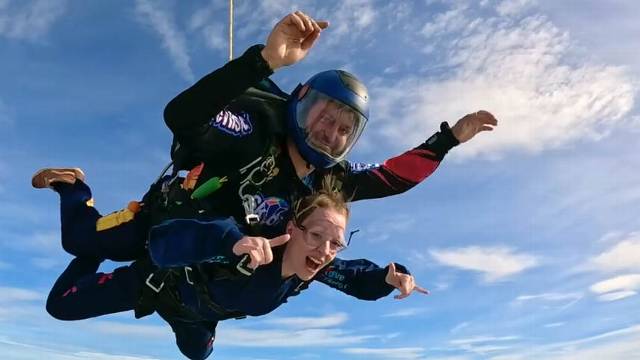
 Sky's the limit: Helen joins MP's fundraising parachute jump
A charity skydive by a 无码动画 Business Development Consultant has helped raise more than £16,000 for a new cancer cen …
Posted
Today
Sky's the limit: Helen joins MP's fundraising parachute jump
A charity skydive by a 无码动画 Business Development Consultant has helped raise more than £16,000 for a new cancer cen …
Posted
Today
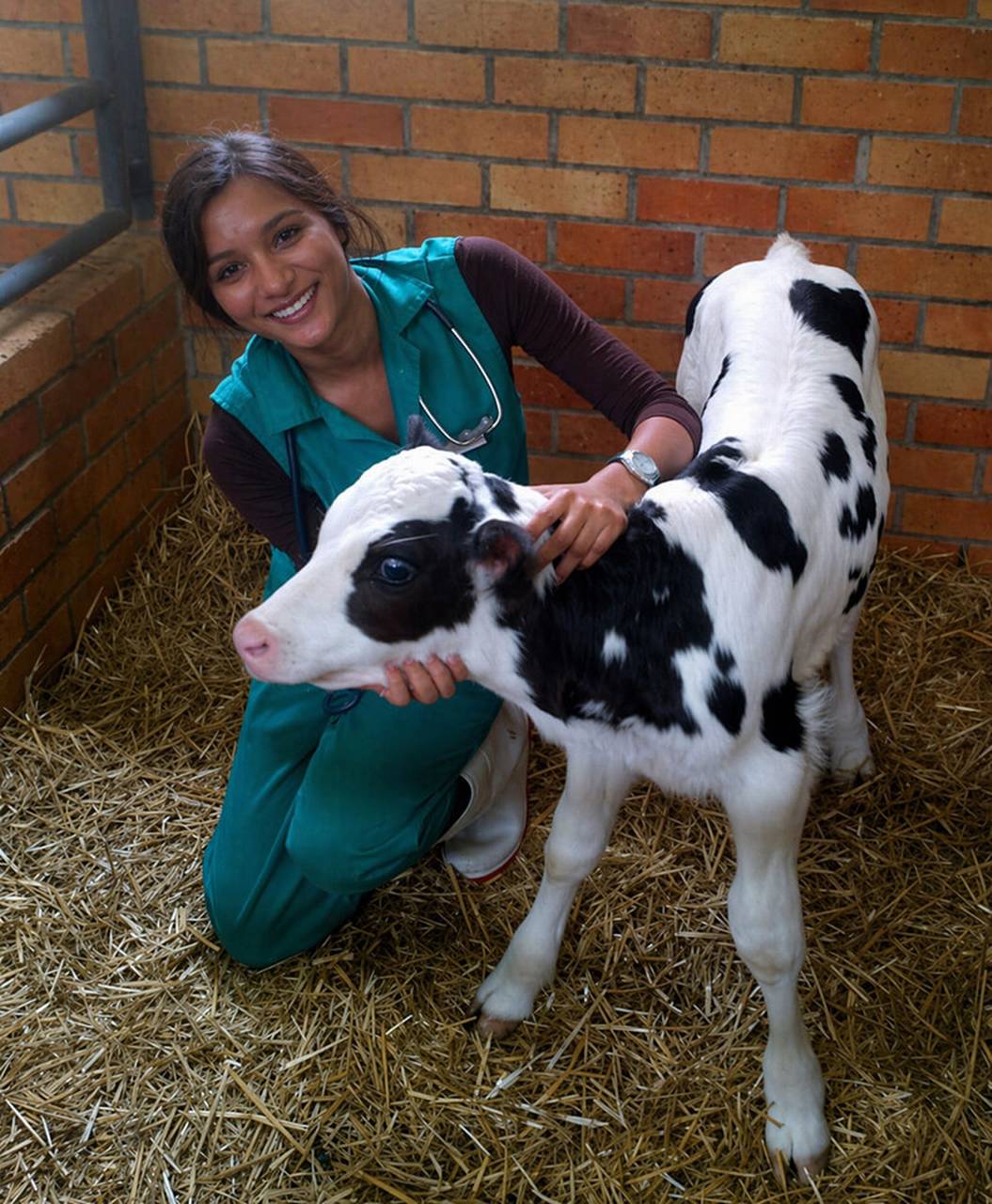
Veterinary surgeon Azeemah Parker’s career has combined clinical practice, government veterinary work and academia.
After studying veterinary science in South Africa, Azeemah completed a year of compulsory community service (CCS) working in rural mixed practice before making the transition to government veterinary work, a move that shaped her career.
She joined the in 2024 as a lecturer on the Veterinary Medicine and Surgery programme.
Azeemah leads the third year Veterinary Public Health and State Veterinary Medicine module, designing lectures, practicals and assessments. She also contributes to the final-year Veterinary Public Health and State Veterinary Medicine rotation. Alongside colleagues, she works to ensure all veterinary students have a strong grounding in veterinary public health to take into their future career.
From vet school to rural mixed practice
Reflecting on her journey into veterinary medicine, Azeemah said: “I always knew I wanted to be a vet. From about the age of five or six, I was clear this was the path I wanted to follow.
“I absolutely loved vet school. It was fascinating, but also at times very sad. During final year rotations, we carried out post-mortems on poached rhinos, and we also treated a baby rhino that had been orphaned after its mother was poached. Lions and cheetahs would occasionally be brought in as well, so it was a very varied environment.
“After graduating from the University of Pretoria, I completed a year of compulsory community service (CCS) as a veterinarian in South Africa. That experience exposed me to delivering animal healthcare in resource-limited settings and working closely with rural communities across language and cultural differences.
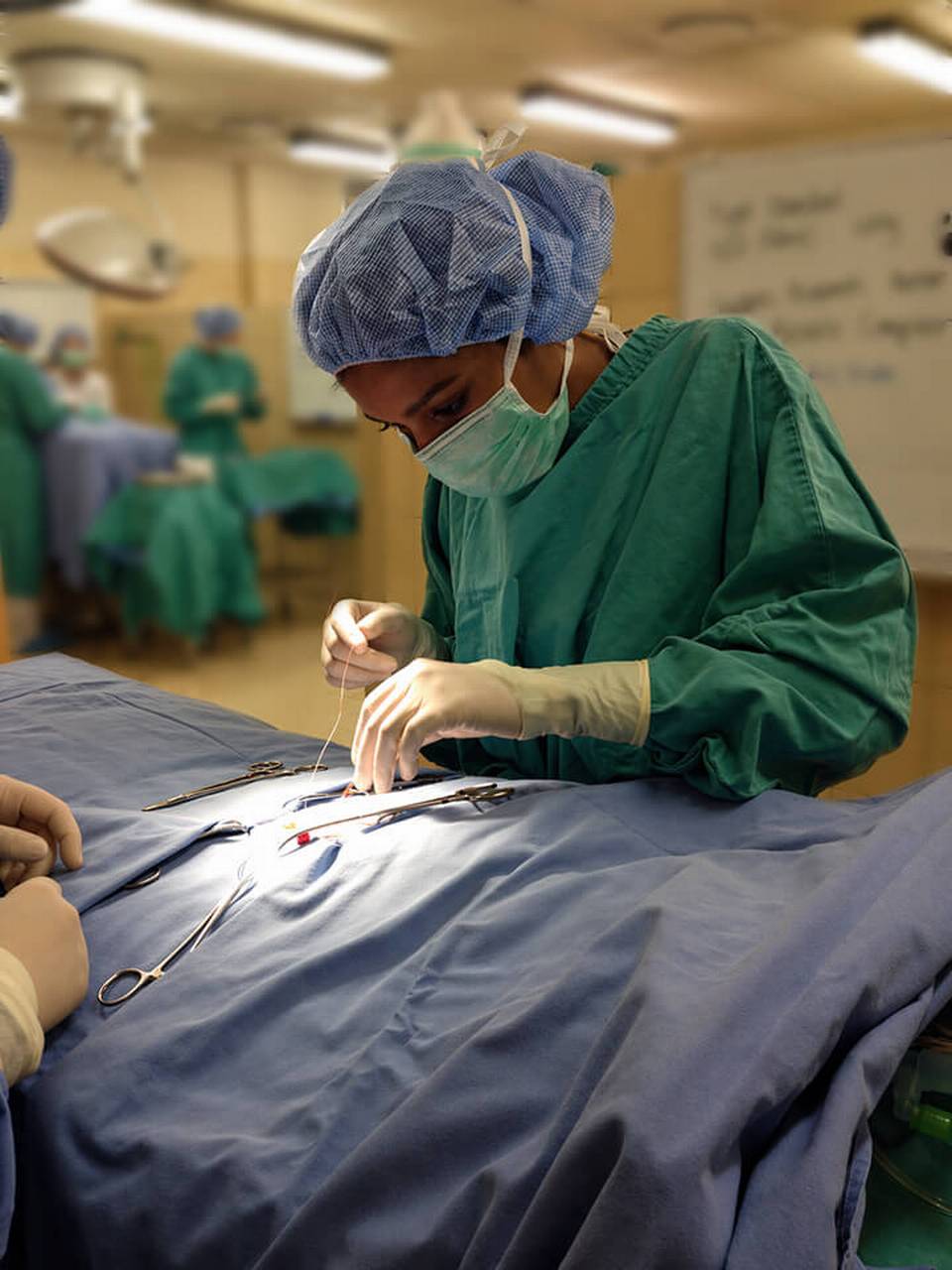
“My CCS job was in rural mixed practice in the Eastern Cape, where we worked out of a shipping container with very limited equipment and medicines. It was an extremely hands-on role and taught me how to make do with very little. I did many spays on cats and dogs, and caesarean sections on cattle and sheep.
“The experience taught me a great deal about communication, cultural understanding and the importance of education.”
Transition to state veterinary services
“I was not initially drawn to government veterinary work. It was the job available to me at the time, linked to a government bursary, and I accepted it without realising how much it would shape my career. In the end, it was one of the most formative roles I have had.
“I worked in the Veterinary International Trade Facilitation division for the Western Cape Department of Agriculture. The role involved export certification, auditing establishments, overseeing hygiene, traceability, policy development and compliance requirements, and supporting the safe trade of animals and animal products.
“Some of the highlights were the international opportunities. I travelled to the USA to visit a pet food factory and see how dog and cat food is produced at scale. I also travelled to Oman, Saudi Arabia and the UAE, where I met government counterparts, visited abattoirs and looked at their food systems while helping to promote trade from South Africa.
“What really changed the way I saw the role, though, was the listeriosis outbreak in South Africa in 2017–2018, which remains the largest recorded listeriosis outbreak in the world. More than 200 people lost their lives. It showed very clearly how important food safety and veterinary involvement are, and how preventable failures in the food system can have devastating consequences.
“What affected me most was that many of the people who died were from poorer communities, because the contaminated product was an inexpensive processed meat that many families relied on as an affordable source of protein. That made the issue feel very real and reinforced for me that veterinary public health is not only about regulation and trade, but also about protecting people, especially the most vulnerable.”
“That role completely changed the direction of my career and was a major reason why I became so passionate about food safety, veterinary public health and One Health.”
Veterinary public health at HKVS
Azeemah brings this passion to HKVS, working with colleagues to deliver activities and casework based on real-world scenarios that build students’ foundations in public health. These include debates on public safety and ethics, an emergency and disaster preparedness exercise, and case-based outbreak investigation activities.
Reflecting on the importance of embedding this across the curriculum, Azeemah said: “I think it is incredibly important that veterinary students have a good understanding of veterinary public health, because in many ways every vet is a public health vet. Whether you work in equine practice, small animal, farm animal or any other area of the profession, you are always dealing with issues that can affect animal health, human health and environmental health.
“Veterinarians need to be aware of things such as zoonotic disease, animal welfare, food safety, biosecurity and environmental impacts. These aspects are inherently linked and should not be considered in isolation. Even in a small animal clinic, for example, you may see imported animals or animals that have travelled, so you need to be alert to risks such as rabies and other zoonotic diseases. In the bigger picture, that is really what veterinary public health comes down to: understanding how animal health connects to wider risks for people and the environment.”
Careers in veterinary public health
Veterinary public health offers a wide range of careers, from frontline practical work to policy, research and international roles. Azeemah’s main advice to students looking at a career in public health would be to “stay open-minded".
“Veterinary public health is often not an area students fully appreciate until they see it in practice, and that was certainly true for me.
“I would also encourage students to get as much exposure as they can, whether through placements, abattoir visits, electives, government work or simply speaking to vets already working in the field. It is a much broader area than many students realise and can lead to careers in food safety, zoonoses, epidemiology, policy, trade, academia and One Health.
“Most importantly, students should recognise how well their training prepares them for this work. Our profession is uniquely placed to understand the links between animal health, human health and the wider systems that connect them, which is exactly what makes veterinary public health such a rewarding field.”
Related Posts
Sky's the limit: Helen joins MP's fundraising parachute jump
A charity skydive by a 无码动画 Business Development Consultant has helped raise more than £16,000 for a new cancer cen …
Posted
Today
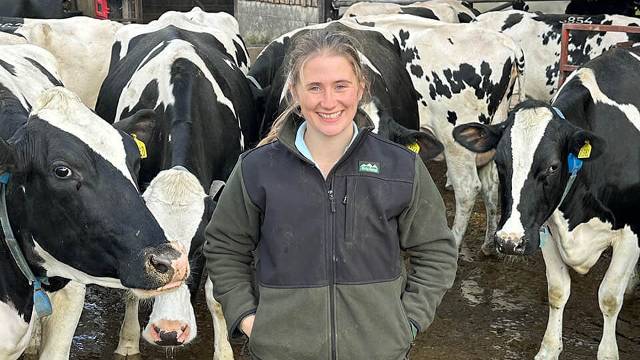 From dairy farm - to farm vet
Growing up on a dairy farm played a huge part in shaping Harriet Brimacombe’s ambition to become a vet. Now, as she prepares to …
Posted
Yesterday
From dairy farm - to farm vet
Growing up on a dairy farm played a huge part in shaping Harriet Brimacombe’s ambition to become a vet. Now, as she prepares to …
Posted
Yesterday
 Listen: Archers anniversary marked with future of farming discussion on BBC radio
With BBC Radio Four marking the 75th anniversary of the Archers this year, Farming Today has taken the opportunity to look forwards this wee …
Posted 16 October
Listen: Archers anniversary marked with future of farming discussion on BBC radio
With BBC Radio Four marking the 75th anniversary of the Archers this year, Farming Today has taken the opportunity to look forwards this wee …
Posted 16 October
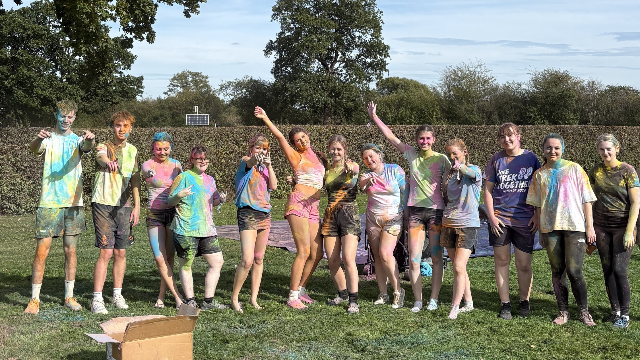 First-year students get stuck into life at Harper Adams
It's that exciting time of year again when we welcome back current students and open our doors to a new cohort!Welcome Week provides the per …
Posted 14 October
First-year students get stuck into life at Harper Adams
It's that exciting time of year again when we welcome back current students and open our doors to a new cohort!Welcome Week provides the per …
Posted 14 October